
Wholechain First to Pass Global Beef & Leather Traceability Framework Test
Wholechain First to Pass Global Beef & Leather Traceability Framework Test
Wholechain First to Pass Global Beef & Leather Traceability Framework Test

Written By:
Erin Taylor
Erin Taylor
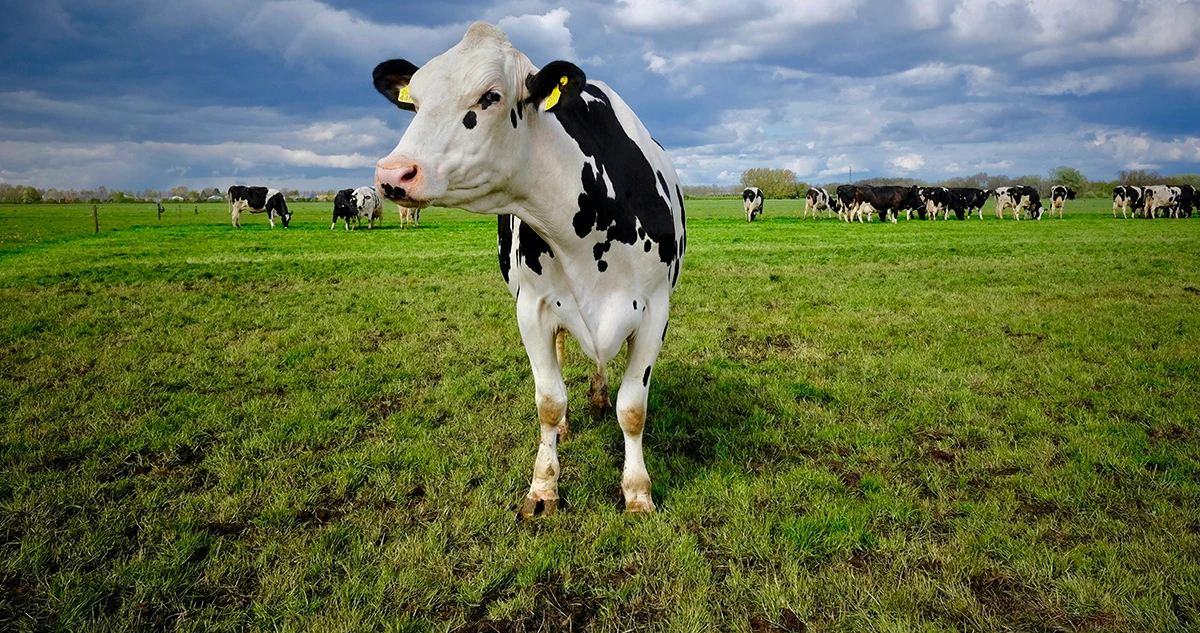
Wholechain, a commodity agnostic traceability software, has become the first traceability solution provider to successfully pass the (beta) Capability Test for the Global Traceability Framework for Beef and Leather, marking a key milestone in the development of interoperable, standards-based traceability for cattle-derived supply chains.
Verifying Interoperability Through Capability Testing
The Capability Test evaluates whether digital traceability systems can capture and exchange standardized, event-based data in alignment with the Framework, which is built on the GS1 EPCIS standard. Rather than certifying outcomes or endorsing specific vendors, the test focuses on technical capability and interoperability, ensuring that different systems can reliably share traceability data across supply chains.
The approach mirrors the proven model established by the Global Dialogue on Seafood Traceability (GDST), where Capability Tests have played a central role in verifying interoperability across a fragmented global industry. Wholechain is the only GDST solution provider to run an automated script to pass the GDST test on a daily basis to ensure capability at all times.
Building the Foundation for Global Beef and Leather Traceability
Wholechain’s successful passing of the beta test reflects years of foundational work applying GS1 standards to cattle supply chains and developing the framework itself. In 2021, Wholechain partnered with Rever Consulting and IDH (The Sustainable Trade Initiative) to develop the Framework for the Interoperable Electronic Traceability of Cattle, later recognized by GS1 US as a case study in event-based traceability. That work helped lay the groundwork for the broader Global Traceability Framework for Beef and Leather, which was introduced to industry stakeholders at the Better Food Future Summit in New York City in March 2025 and is now advancing through a multi-stakeholder coalition including World Wildlife Fund, Better Food Future, the Institute of Food Technologists (IFT), RFLCT/Rever Consulting, FAI Farms, and Wholechain.
“The Capability Test is about proving that interoperability is possible in practice, not just in theory,” said Erin Taylor, Head of Growth at Wholechain. “This milestone shows that shared data standards for beef and leather can be implemented in real systems today in ways that support both market and regulatory needs, creating a foundation for scalable traceability across global cattle supply chains.”
Coalition partners emphasized that the test is designed to enable, not constrain, industry participation.
Industry Collaboration Driving Interoperable Traceability
“Interoperable traceability is essential for addressing deforestation, legality, and accountability in cattle supply chains,” said Fernando Bellese, Senior Director Beef and Leather Supply Chains at WWF. “Capability Tests help ensure that different technologies can work together, lowering barriers for suppliers and accelerating adoption of credible, standards-based traceability.”
Insights from the beta test will inform future iterations of the Capability Test as additional solution providers are invited to participate and the Global Traceability Framework for Beef and Leather continues to evolve.
The GDST is increasingly moving towards a vision of traceability that is commodity agnostic. Wholechain’s participation underscores its ongoing role as a technical contributor and early implementer of interoperable traceability standards, and its commitment to collaboration, openness, and long-term scalability.
Wholechain, a commodity agnostic traceability software, has become the first traceability solution provider to successfully pass the (beta) Capability Test for the Global Traceability Framework for Beef and Leather, marking a key milestone in the development of interoperable, standards-based traceability for cattle-derived supply chains.
Verifying Interoperability Through Capability Testing
The Capability Test evaluates whether digital traceability systems can capture and exchange standardized, event-based data in alignment with the Framework, which is built on the GS1 EPCIS standard. Rather than certifying outcomes or endorsing specific vendors, the test focuses on technical capability and interoperability, ensuring that different systems can reliably share traceability data across supply chains.
The approach mirrors the proven model established by the Global Dialogue on Seafood Traceability (GDST), where Capability Tests have played a central role in verifying interoperability across a fragmented global industry. Wholechain is the only GDST solution provider to run an automated script to pass the GDST test on a daily basis to ensure capability at all times.
Building the Foundation for Global Beef and Leather Traceability
Wholechain’s successful passing of the beta test reflects years of foundational work applying GS1 standards to cattle supply chains and developing the framework itself. In 2021, Wholechain partnered with Rever Consulting and IDH (The Sustainable Trade Initiative) to develop the Framework for the Interoperable Electronic Traceability of Cattle, later recognized by GS1 US as a case study in event-based traceability. That work helped lay the groundwork for the broader Global Traceability Framework for Beef and Leather, which was introduced to industry stakeholders at the Better Food Future Summit in New York City in March 2025 and is now advancing through a multi-stakeholder coalition including World Wildlife Fund, Better Food Future, the Institute of Food Technologists (IFT), RFLCT/Rever Consulting, FAI Farms, and Wholechain.
“The Capability Test is about proving that interoperability is possible in practice, not just in theory,” said Erin Taylor, Head of Growth at Wholechain. “This milestone shows that shared data standards for beef and leather can be implemented in real systems today in ways that support both market and regulatory needs, creating a foundation for scalable traceability across global cattle supply chains.”
Coalition partners emphasized that the test is designed to enable, not constrain, industry participation.
Industry Collaboration Driving Interoperable Traceability
“Interoperable traceability is essential for addressing deforestation, legality, and accountability in cattle supply chains,” said Fernando Bellese, Senior Director Beef and Leather Supply Chains at WWF. “Capability Tests help ensure that different technologies can work together, lowering barriers for suppliers and accelerating adoption of credible, standards-based traceability.”
Insights from the beta test will inform future iterations of the Capability Test as additional solution providers are invited to participate and the Global Traceability Framework for Beef and Leather continues to evolve.
The GDST is increasingly moving towards a vision of traceability that is commodity agnostic. Wholechain’s participation underscores its ongoing role as a technical contributor and early implementer of interoperable traceability standards, and its commitment to collaboration, openness, and long-term scalability.
Wholechain, a commodity agnostic traceability software, has become the first traceability solution provider to successfully pass the (beta) Capability Test for the Global Traceability Framework for Beef and Leather, marking a key milestone in the development of interoperable, standards-based traceability for cattle-derived supply chains.
Verifying Interoperability Through Capability Testing
The Capability Test evaluates whether digital traceability systems can capture and exchange standardized, event-based data in alignment with the Framework, which is built on the GS1 EPCIS standard. Rather than certifying outcomes or endorsing specific vendors, the test focuses on technical capability and interoperability, ensuring that different systems can reliably share traceability data across supply chains.
The approach mirrors the proven model established by the Global Dialogue on Seafood Traceability (GDST), where Capability Tests have played a central role in verifying interoperability across a fragmented global industry. Wholechain is the only GDST solution provider to run an automated script to pass the GDST test on a daily basis to ensure capability at all times.
Building the Foundation for Global Beef and Leather Traceability
Wholechain’s successful passing of the beta test reflects years of foundational work applying GS1 standards to cattle supply chains and developing the framework itself. In 2021, Wholechain partnered with Rever Consulting and IDH (The Sustainable Trade Initiative) to develop the Framework for the Interoperable Electronic Traceability of Cattle, later recognized by GS1 US as a case study in event-based traceability. That work helped lay the groundwork for the broader Global Traceability Framework for Beef and Leather, which was introduced to industry stakeholders at the Better Food Future Summit in New York City in March 2025 and is now advancing through a multi-stakeholder coalition including World Wildlife Fund, Better Food Future, the Institute of Food Technologists (IFT), RFLCT/Rever Consulting, FAI Farms, and Wholechain.
“The Capability Test is about proving that interoperability is possible in practice, not just in theory,” said Erin Taylor, Head of Growth at Wholechain. “This milestone shows that shared data standards for beef and leather can be implemented in real systems today in ways that support both market and regulatory needs, creating a foundation for scalable traceability across global cattle supply chains.”
Coalition partners emphasized that the test is designed to enable, not constrain, industry participation.
Industry Collaboration Driving Interoperable Traceability
“Interoperable traceability is essential for addressing deforestation, legality, and accountability in cattle supply chains,” said Fernando Bellese, Senior Director Beef and Leather Supply Chains at WWF. “Capability Tests help ensure that different technologies can work together, lowering barriers for suppliers and accelerating adoption of credible, standards-based traceability.”
Insights from the beta test will inform future iterations of the Capability Test as additional solution providers are invited to participate and the Global Traceability Framework for Beef and Leather continues to evolve.
The GDST is increasingly moving towards a vision of traceability that is commodity agnostic. Wholechain’s participation underscores its ongoing role as a technical contributor and early implementer of interoperable traceability standards, and its commitment to collaboration, openness, and long-term scalability.
Erin Taylor
Want to get started on traceability?
Want to get started on traceability?
Want to get started on traceability?
Explore how traceability works and take your first step in getting started,
simply click the link below.
Explore how traceability works and take your first step in getting started,
simply click the link below.